
Qatar has rejected claims in sections of Israeli media that it had stopped its LNG production to affect energy prices in the US, calling such accusations an attempt to “drive a wedge” between Qatar and the US.
In a statement on Thursday, a senior Qatari official told Al Jazeera that “Qatar will always prioritise people’s safety over political or economic gain.”
- list 1 of 3Eight Arab, Islamic countries condemn Israeli closure of Al-Aqsa Mosque
- list 2 of 3Qatar PM urges resilience and unity amid Iran strikes
- list 3 of 3Iran war: What is happening on day 13 of US-Israel attacks?
end of list
“It is no surprise that unofficial mouthpieces of [Israeli] Prime Minister Netanyahu are attempting to exploit this period of global instability to sow further tension and division across the region,” the official said.
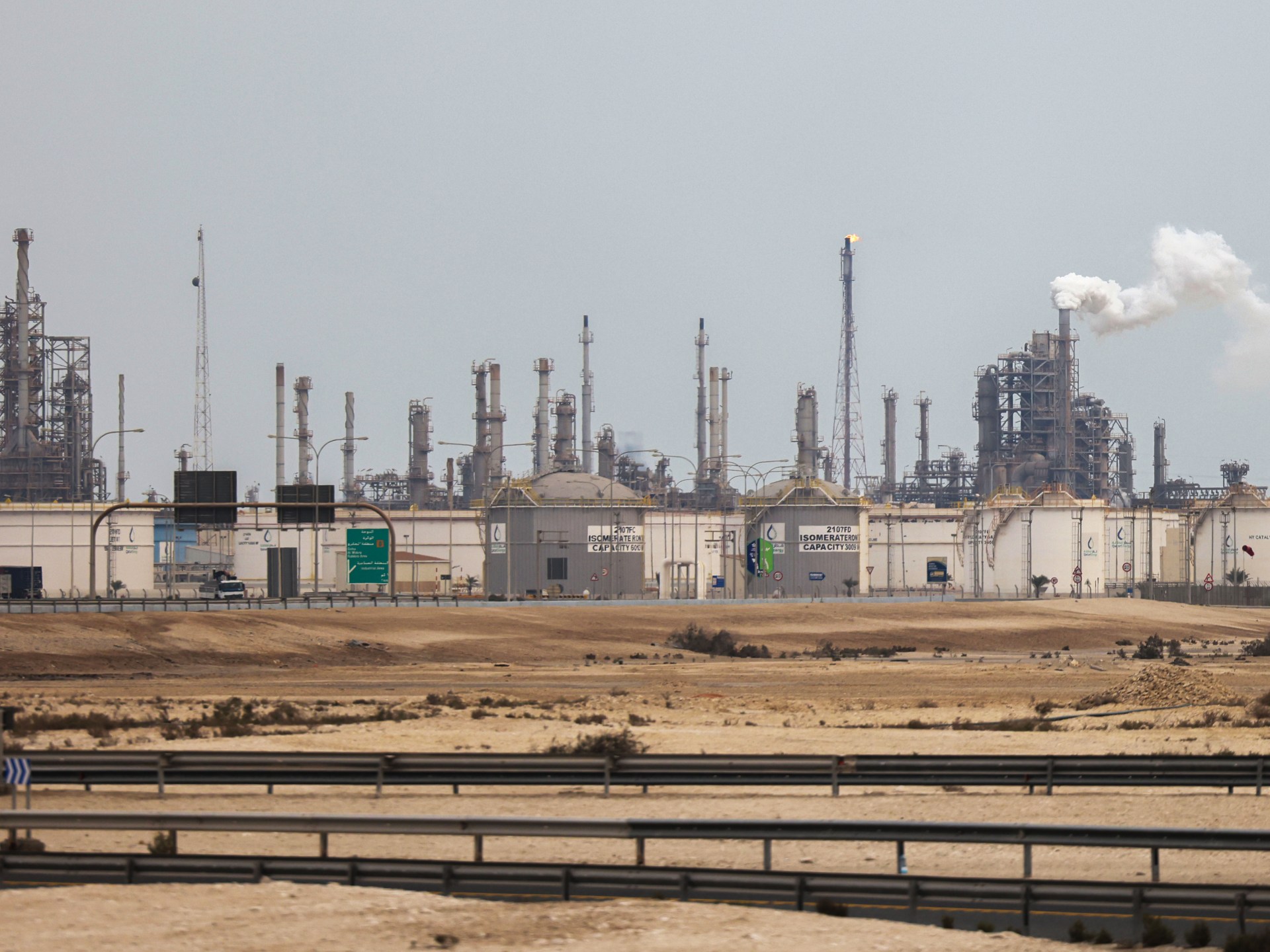
QatarEnergy suspended liquefied natural gas (LNG) production last week following an Iranian drone attack, straining the global LNG market. Qatar supplies 20 percent of the world’s LNG.
According to Qatar’s Ministry of Defence, Iranian drones struck two sites, a water tank at a power plant in Mesaieed Industrial City and an energy facility in Ras Laffan belonging to QatarEnergy, the world’s largest LNG producer.
“For more than two years, Mr Netanyahu has pursued a regional agenda that has fuelled conflict and chaos in pursuit of his own political ambitions,” the official said.
He referenced a statement posted on X by Amit Segal, an Israeli chief political analyst for N12News, who on Wednesday said the halt in gas production signalled “coordination between Iran and Qatar to close the facility in order to pressure an end to the war.”
Segal’s claims attempted “to drive a wedge between the US and Qatar by alleging that Qatar’s decision to halt energy production was a calculated political move”, the Qatari official said.
Advertisement
“These allegations are the latest in a pattern of false reports made by Segal in recent days, including highly irresponsible claims that Qatar attacked Iran.”
Netanyahu’s media allies had long circulated “claims intended to create friction in the region,” the official continued.
He added that “at a time when the region urgently needs de-escalation, such narratives set a dangerous precedent and should be called out for their reckless and malign intent.”
Related News
Iran’s president apologises for attacking neighbouring countries
What is the Hezbollah-linked financial institution Al-Qard Al-Hassan?
US-Israel attacks on Iran: Death toll and injuries live tracker