
The United Nations’ climate agency has warned of an increased risk of extreme weather in the coming weeks and months due to the emerging El Nino weather pattern.
The World Meteorological Organization (WMO) issued the alert in a news release on Tuesday, saying that there was an 80 percent chance of an El Nino event – marked by unusually warm sea surface temperatures in the central and eastern Pacific Ocean- between June and August and a roughly 90 percent chance of it forming by November.
- list 1 of 3‘Encouraging’: Global rainforest loss slows in 2025 after record year
- list 2 of 3‘A calamity’: Why is a record heatwave sweeping South Asia?
- list 3 of 3Everest record holder warns of Nepal danger as two Indian mountaineers die
end of list
“The science is clear: El Nino is arriving on our doorstep in the coming months with 90 percent certainty,” said UN Secretary-General Antonio Guterres in a video statement. “The world must treat it as the urgent climate warning it is.”
Bringing worldwide changes in winds, pressure and rainfall patterns, El Nino is a naturally occurring phenomenon that generally happens every two to seven years and lasts about nine to 12 months.
El Nino can trigger increased rainfall in the southern parts of South America and the United States, parts of the Horn of Africa and Central Asia. It can also cause drought in Australia, Central America, Indonesia and parts of South Asia, and spur hurricane formation in the central and eastern Pacific, according to the WMO.
The UN agency predicted this year’s El Nino phenomenon to be “at least moderate – and possibly strong”.
“Impacts will hit even harder, travel even farther, and cross borders with devastating speed,” said Guterres.
Advertisement
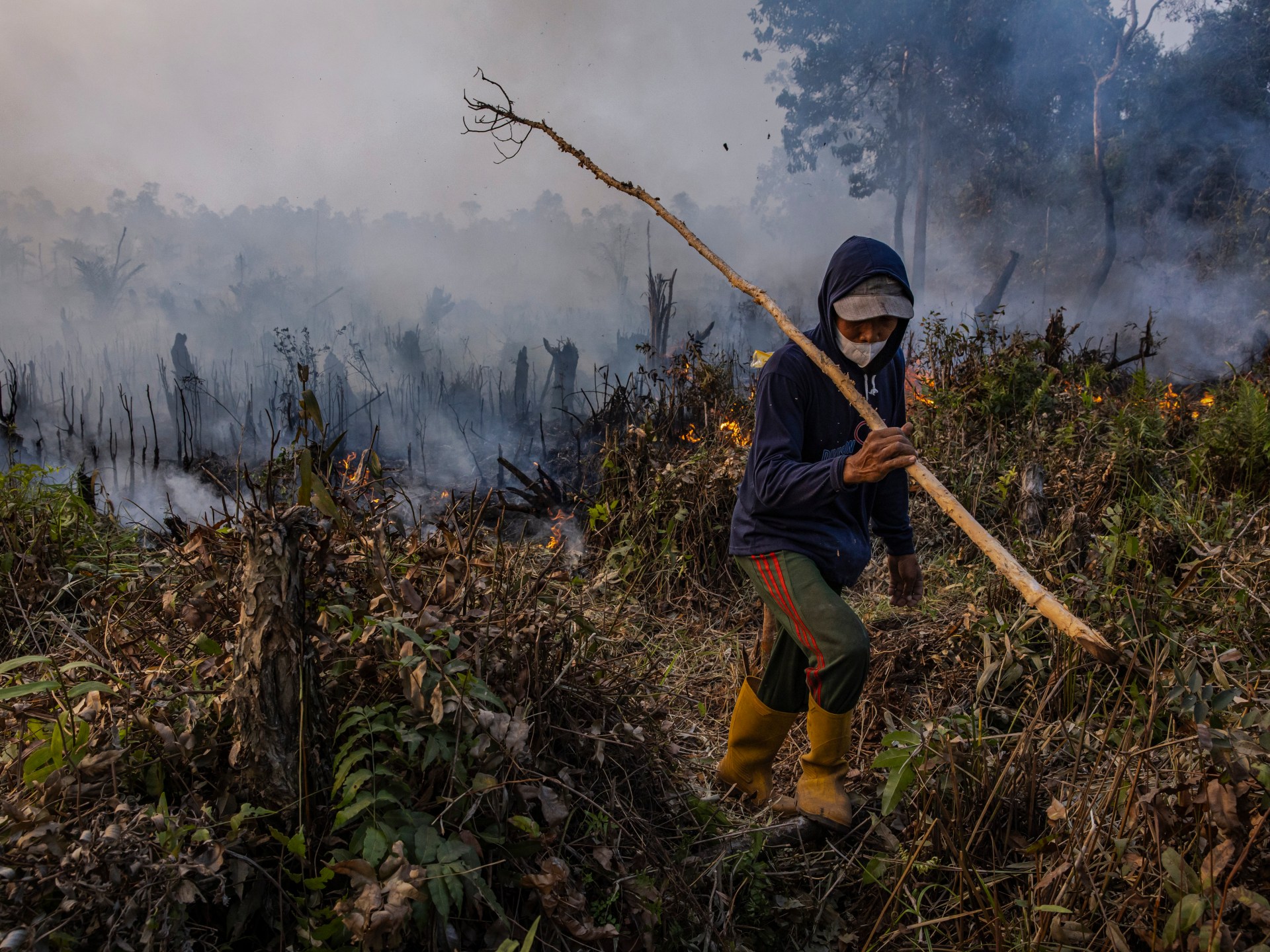
The trend could help fuel especially severe wildfires this year, according to researchers at Imperial College London and the World Weather Attribution network of climate scientists.
In anticipation, the European Union has announced plans to deploy a record number of firefighters and aircraft in high-risk areas – spanning Cyprus, Greece, Italy, France, Spain and Portugal.
The last El Nino, in 2023 to 2024 – which meteorologists said was strong, contributed to making 2024 the hottest year on record, said WMO Secretary-General Celeste Saulo.
Saulo said other risks associated with extreme heat included a wider spread of diseases borne by vectors, such as mosquitoes and ticks, and reduced food and water supplies.
“Communities that were already struggling will be pushed farther beyond their limits,” she said.
For consumers, facing inflation because of the US-Israel war on Iran, food prices may rise further because of El Nino.
Hein Schumacher, CEO of Barry Callebaut, one of the world’s biggest cocoa processors, warned that crops in the growing regions of Ecuador and West Africa, which account for 60 percent of global output, could be reduced.
“This is something that we are very cautiously observing,” he said. “El Nino could have an effect that could lead to, you know, a few thousands per tonne.”
Guterres said the climate trend was a reminder of the need for a shift away from fossil fuels towards renewable energy. “El Nino conditions will pour fuel on the fire of a warming world,” he said.
Related News

Taiwan monitors ‘unprovoked’ Chinese combat patrol near island

Ken Paxton wins Texas primary election: Results and key takeaways
Ebola outbreak: What travel restrictions have countries imposed?