‘We’re short of resources’: France’s student protesters, in their own words
 07 October 2026
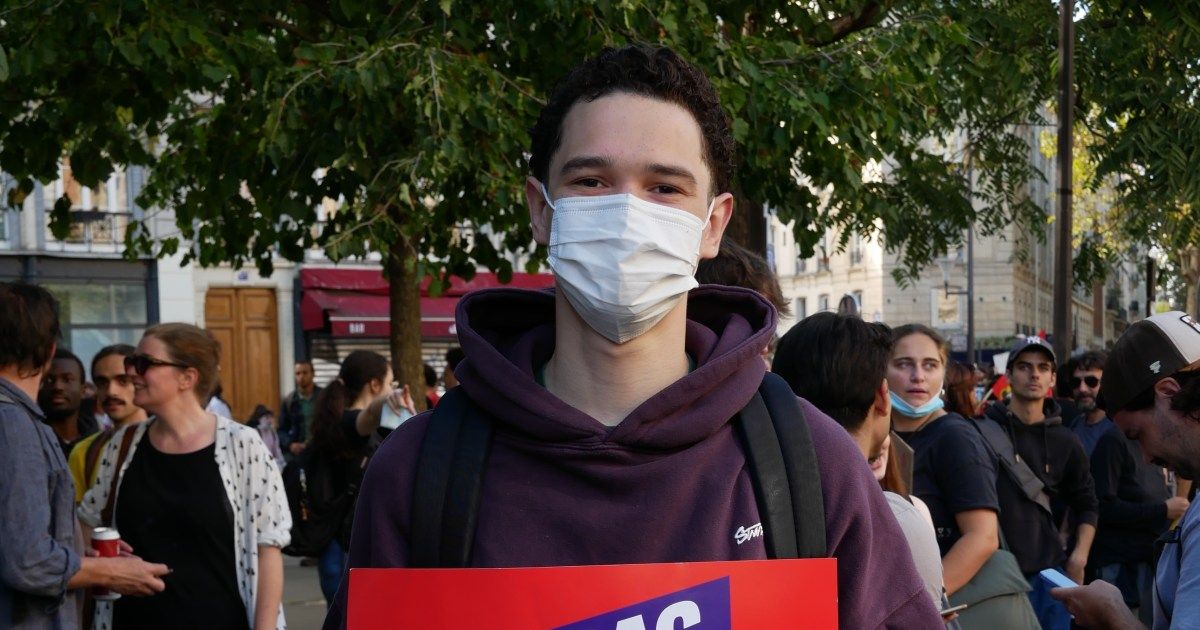

Paris, France – At least 250,000 students, teachers and parents protested across France on Tuesday, supported by trade unions and rights groups.
The demonstrations have grown since students began blockading the entrances to their high schools on September 17, starting in the Paris suburb of Creteil. The movement quickly spread throughout the city’s suburbs, with high schoolers protesting against conditions, lamenting dilapidated buildings, shortages of teachers and staff and overcrowded classrooms.
- list 1 of 3France suspends high school classes as protesters clash with police
- list 2 of 3France protests: What we know as schools face nationwide action
- list 3 of 3Photos: School blockades, street protests grip France
end of list
The blockades were met by a muscular police response, with riot police sent to break up the student protests.
More than 6,000 protesters have been arrested, 85 percent of them aged under 18. At least 10 investigations into police misconduct have been opened by France’s police watchdog IGPN.
On October 2, France’s Education Minister Edouard Geffray met with student leaders and the government announced a five-point plan to reform the public education system – an olive branch students agreed was insufficient to address the crisis.
Some 210 teenagers – including one who lost a hand – and 715 police officers have been wounded, according to officials.
Anne Savinel-Barras, president of Amnesty International France, called on authorities to “avoid unnecessary and excessive use of force”.
“Footage and testimonies widely reported over the last week raise alarming concerns about the dangerous use of tear gas, batons and restraint techniques by police. Tear gas grenades have been discharged recklessly, and rubber bullets have been fired causing serious injuries.”
Advertisement
Al Jazeera spoke to several protesters about their demands:
‘Macron’s government has to stop investing only in war’
Theo, 19, student: “This is my first demonstration. I’m here in solidarity with the high schoolers, after this week of blockades and police oppression. I’m also here for other demands: for universities, for more resources for schools, and not just schools but hospitals too. We’re really short of resources.
“Macron’s government has to stop investing only in war. We’re fed up. That’s why we’re all here together in this movement of solidarity, young and old. We all have the same demands: a better future.”
‘Teachers are absent, and compared with schools in Paris we don’t have the same resources’
Olympe, 16, high school student: “We blockaded our school all week to demand our rights and to denounce what’s happening in our schools. Teachers are absent, and compared with schools in Paris we don’t have the same resources. We’re given less money, and we don’t have the same privileges.”
Rania, 15, high school student: “We don’t feel listened to at all. We feel inferior, especially considering that we’re the future. So when no one listens to us, we do all this, but in the end will it really change anything? We don’t know.”
Maissene, student: “We came to support our classmates, simply because if they’re blockading, we blockade too. It’s a general movement, and they can’t do it on their own.”
‘We came to defend our youth’

Raphael, 17, high school student: “We came to defend our youth. Because we’re young, the state doesn’t listen to us. They think we have no political awareness and don’t know what we’re defending. We’re here to show the opposite: we know exactly what we’re defending. We know our values.”
Rose, 16, high school student: “If nothing changes, we’ll keep going for much longer. On October 17, there will be a big demonstration, with high schoolers, students and farmers. So it’ll be a bit like a new revolution.”
‘More resources, more teachers, better teaching conditions’

Clemence, 30, maths teacher in Paris: “I support the high schoolers’ movement 100%. Their demands are ones we’ve been making for years. Today, we’re taking the opportunity to march alongside them. They’re asking for more resources, more teachers, better teaching conditions. We’ve been asking for this for years, because the state badly neglects it … You saw how the heatwave was handled: our classrooms were between 35 and 40°C. It’s unacceptable.”
Advertisement
‘You can feel a lot of anger’

Clara, 20, fashion student: “I’m here first of all in support of the high schoolers who started this strike in the 93 [Seine-Saint-Denis]. It’s where I live, and I know these schools. They have always lived and worked in unacceptable conditions. Their demands are legitimate, and they have a right to be heard and listened to.
“So far I think the atmosphere is rather good. You can see everyone is mobilised, proud and happy to be here. But you can also feel a lot of anger, because for once we want our demands to be heard, and we want people to listen to this youth that has been complaining for several years.”
‘We were peaceful, and they chose violence’

Tina, a 20-year-old student: “Yesterday we had a general assembly at our university, and the police and riot police were called in by our own administration. We said that was unacceptable. They started blocking our university, blocking our ideals of defending the high schoolers and the current cause. We don’t find that normal, so we came to demonstrate with them today to show our support. In the end there were no classes. We hadn’t finished expressing ourselves. We were peaceful, and they chose violence.”
Related News
Iran says Hormuz to remain closed until US meets conditions
Students continue to protest in France as hundreds of schools close

‘New path’: UK’s Burnham promises huge expansion of public services