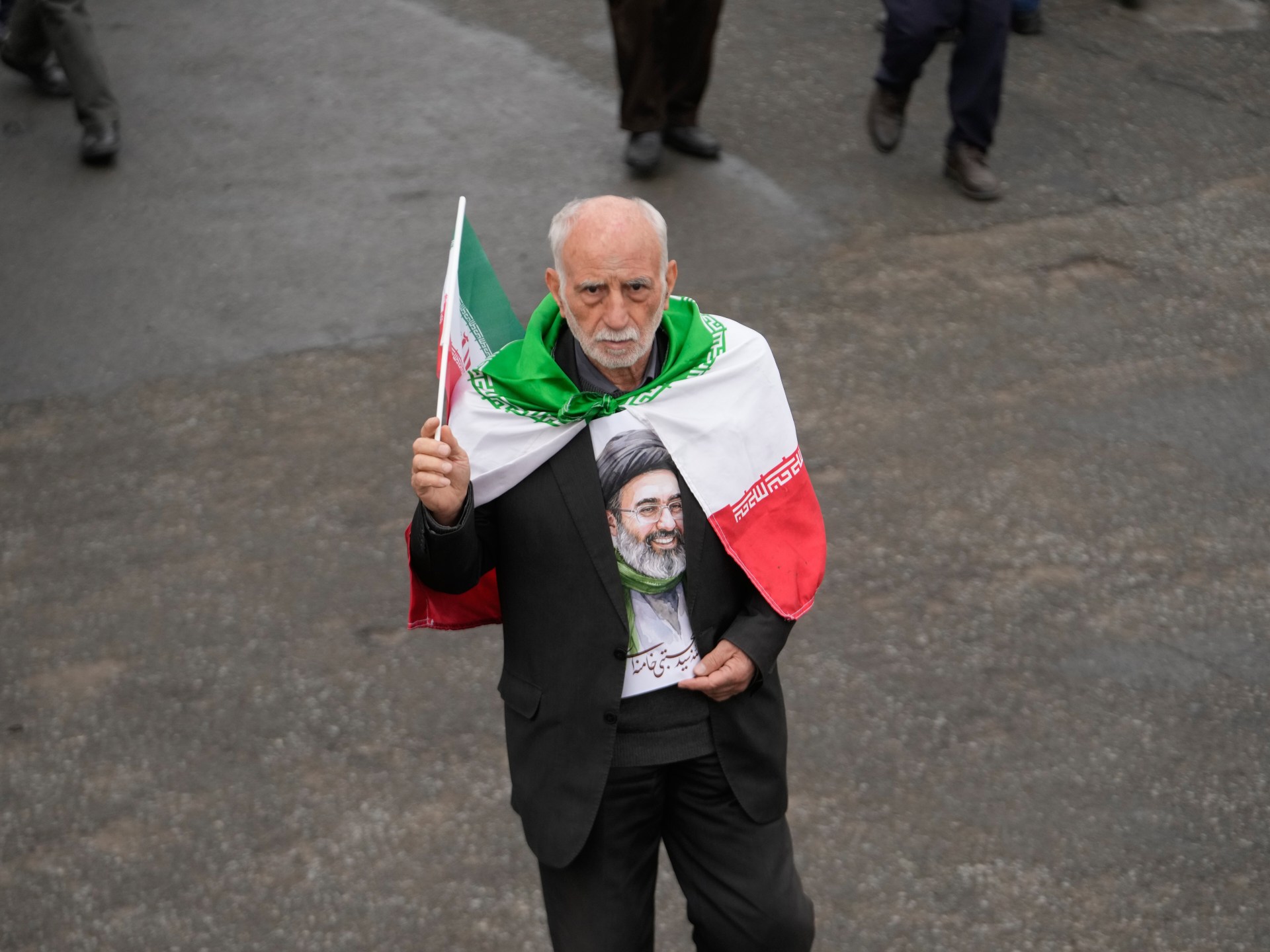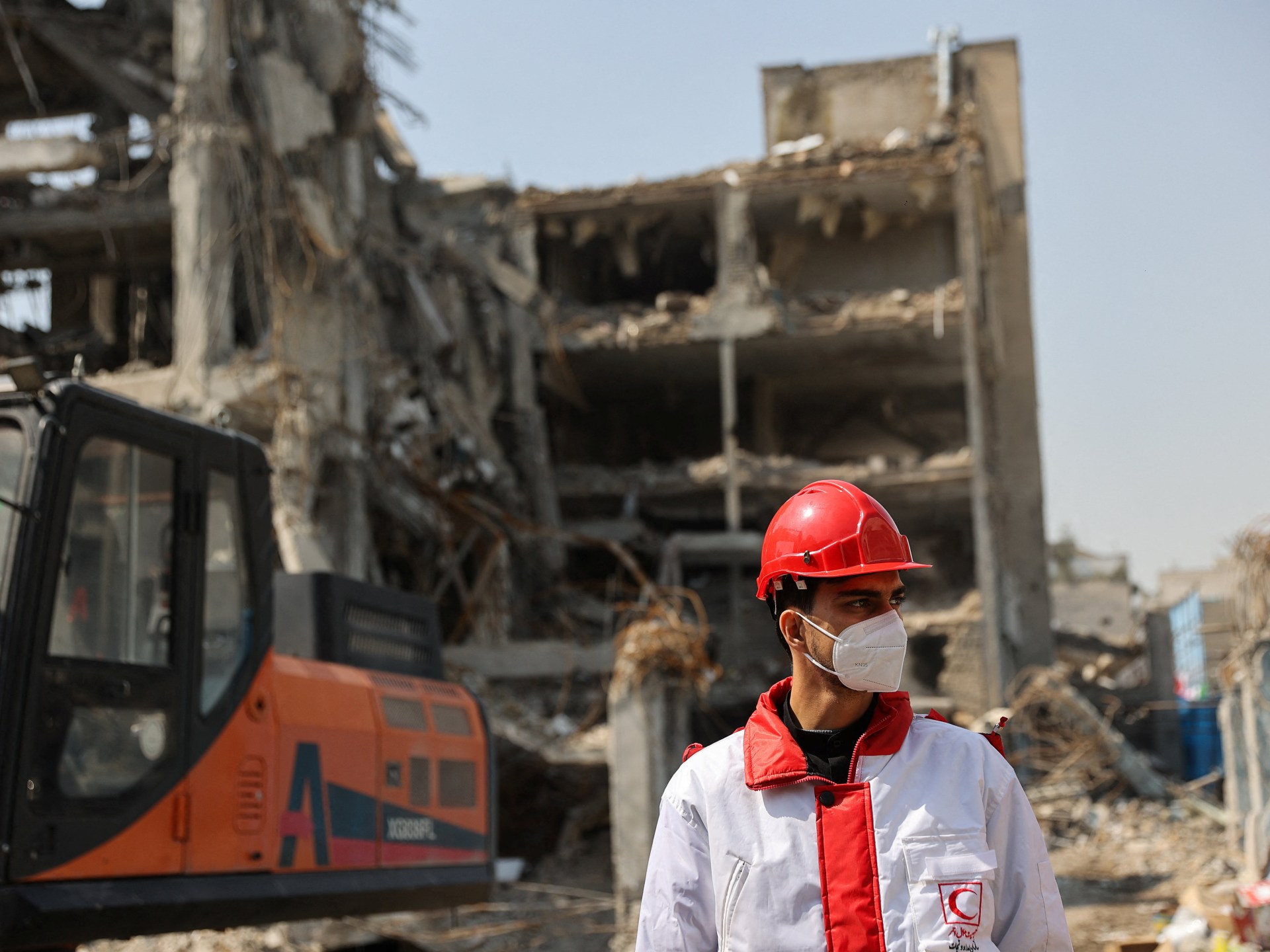

Iran’s Red Crescent is searching for survivors “trapped under the rubble” after US-Israeli strikes on the capital, Tehran, and a deadly assault on the city of Qom.
Air raids targeted three residential houses in Qom on Friday, killing six people, according to local media. Qom’s deputy governor told the Fars News Agency that the number of injured remained unknown.
- list 1 of 3Analysts say Trump doesn’t understand Iran reality has changed
- list 2 of 3Projectile from Lebanon kills at least one in north Israel
- list 3 of 3Trump ‘pausing’ plan to destroy Iranian power plants for 10 days
end of list
Explosions were reported in Tehran after the Israeli military launched attacks it described as targeting the Iranian leadership’s infrastructure in the “heart” of the capital.
“We’ve heard the sound of air defence systems, usually triggered by drone attacks or threats, since yesterday evening,” Al Jazeera’s Tohid Asadi said, reporting from Tehran. “Overnight, we heard massive blasts.”
A residential complex in Urmia was targeted overnight in what was reported to be a direct missile attack.
Hamed Saffari, the director-general of crisis management for the West Azerbaijan province, told the IRNA news agency that “four residential buildings were completely destroyed” and confirmed that the strike “left a number of citizens killed and injured”.
At least 1,937 people have been killed during the war and almost 25,000 injured, Iran’s Deputy Health Minister Ali Jafarian told Al Jazeera on Thursday. He said 240 women and 212 children were among the war dead.
Raids were also reported in Karaj and Isfahan’s industrial complex.
“We are far from any point of de-escalation,” Al Jazeera’s Asadi said.
The Norwegian Refugee Council warned on Friday that Iranians are “exhausted and traumatised”.
Advertisement
Jan Egeland, head of the organisation, said that millions of Iranians have fled in search of safety.
“Others stay in fear that displacement will be even more dangerous as nowhere seems to be safe,” he added. “Across the Middle East, 2,700 people have been killed by US, Israeli and Iranian attacks, more than half of whom are in Iran. Civilians are paying the highest price for this war. It must end.
“My NRC colleagues in Iran are working under extremely difficult and dangerous conditions to scale up our relief for families displaced by the war,” Egeland said.
“Each night they lie awake, listening to the explosions and fearing for their lives, and each morning they return to work, doing all they can to support families in dire need.”
The latest attacks come amid uncertainty over ceasefire negotiations.
Iran laid out its conditions on Thursday, including an end to “aggressive acts of assassination” that have decapitated Iran’s leadership, “compensation and war reparations”, measures to ensure “war does not recur”, and an end to hostilities from “all resistance groups that took part in this battle throughout the region”.
It also asserted its “natural and legal right” over the Strait of Hormuz, a critical waterway that Tehran continues to in effect block, leading to fuel shortages worldwide.
The United Nations Security Council scheduled a closed consultation on Iran at 10am New York time (14:00 GMT) on Friday. The US, which currently holds the rotating Security Council presidency, scheduled the meeting.

Meanwhile, the backlash from the war continues to be felt in Gulf states.
Kuwait’s National Guard said two drones were shot down as part of ongoing efforts to protect vital sites.
The United Arab Emirates Sharjah Media Office posted on its Instagram page that air defence systems were responding to a missile threat.
Amid its war on Iran, Israel also continues to push on with its ground invasion into Lebanon.
The military on Friday issued a warning to residents of the village of Sajd, in southern Lebanon, ordering them to leave immediately as Israeli forces would “act against it forcefully”.
“That could potentially be costly to the Israeli army without achieving certain goals, which are ending or disarming Hezbollah,” Al Jazeera’s Nida Ibrahim said, reporting from the occupied West Bank.
“That’s something even Israeli defence officials have said won’t be achieved through a ground invasion alone, but through an agreement with the Lebanese government, and that does not seem to be going anywhere at the moment.”
Related News

Rafah crossing closure leaves Gaza patients trapped without treatment

Belarus’s Lukashenko makes first visit to North Korea in bid to deepen ties
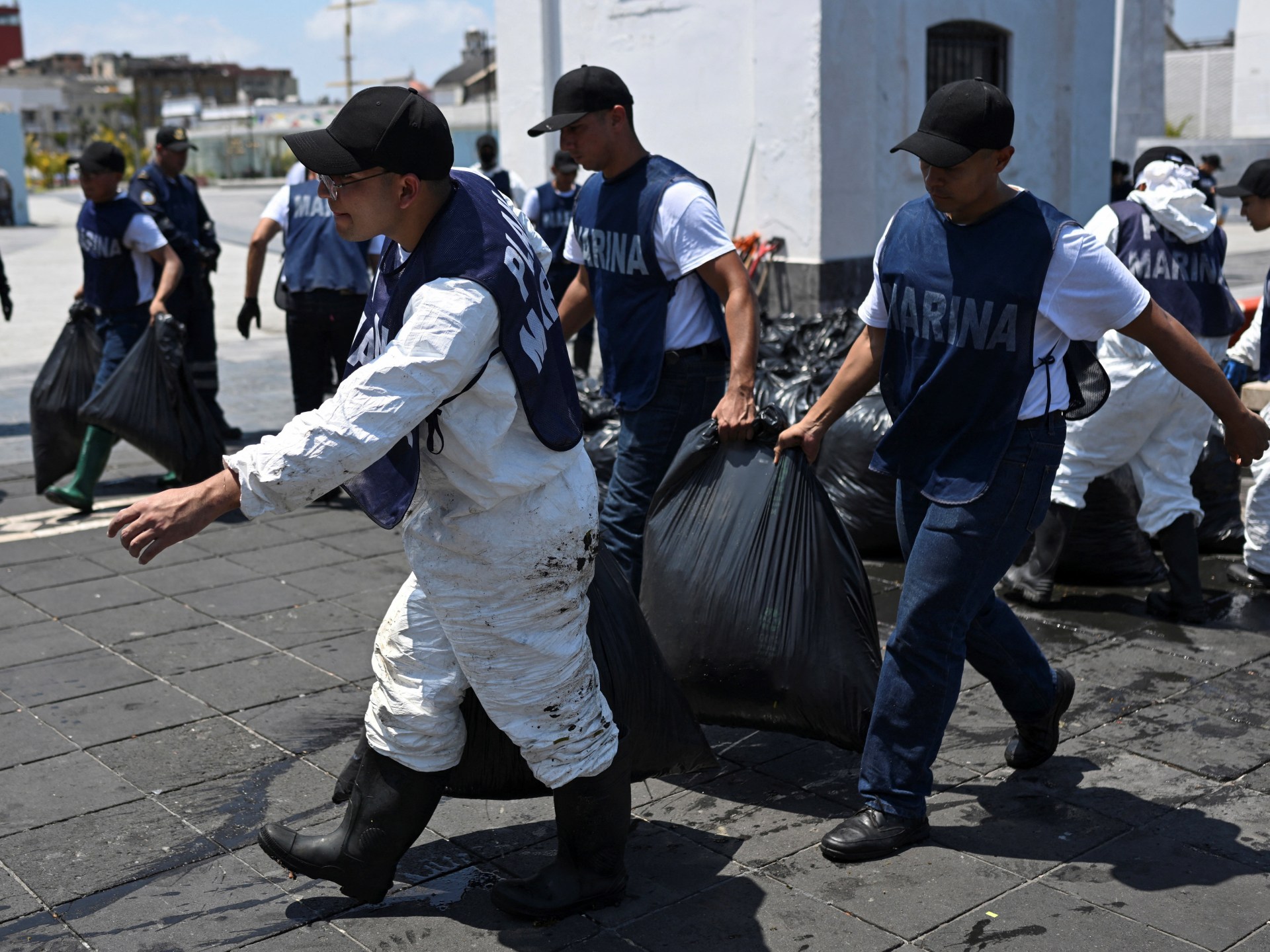
Wildlife killed, reefs damaged in ‘active’ Gulf of Mexico oil spill