
The conflict in the Middle East has widened as two oil tankers headed to Asia, carrying Saudi crude, turned around in the Red Sea on Tuesday after Yemen’s Houthis announced a naval blockade against Saudi Arabia.
The closure of the Bab al-Mandeb strait that connects the Red Sea to the Indian Ocean adds pressure on global trade routes, with ongoing disruptions in the Strait of Hormuz due to the ongoing US-Israel war on Iran.
Escalations continue, as the United States announced that it concluded its 11th round of attacks on Iran. Tehran retaliated, hitting US military targets in the Gulf.
Here is a recap of what happened on Tuesday night and Wednesday.
Where did the US attack Iran?
The US Central Command (CENTCOM) said that at 00:15 GMT on Wednesday, it concluded its latest round of strikes against Iran for the 11th consecutive night.
CENTCOM said it targeted Iranian military operations centres, maritime capabilities, aircraft hangars, drone storage facilities and military logistics infrastructure “to further degrade Iran’s ability to threaten commercial shipping in the Strait of Hormuz”.
The CENTCOM statement claimed that over the past three months, Iran had attacked more than 30 commercial vessels traversing the Strait.
The deputy governor of Iran’s southwestern Khuzestan province told the Fars news agency in Iran that US missile attacks targeted areas near the cities of Behbahan and Omidiyeh in the province on Wednesday.
The agency also reported that early on Wednesday, US forces attacked a military site on the outskirts of Tabriz in northwestern Iran. Al Jazeera’s Tohid Assidi reported from Iranian capital Tehran that explosions were heard in Tabriz.
Advertisement
Assidi additionally reported that air defences were activated in Tehran and that two blasts were heard in Bushehr.
Iran’s IRIB state broadcaster said that the deputy governor of Sistan and Baluchestan province had confirmed attacks on the southeastern cities of Chabahar and Konarak.
IRIB additionally reported, citing the deputy governor of Hamadan province, that US forces launched air attacks on Kabudarahang County in west-central Hamadan province in the latest round of attacks.
The broadcaster also reported that air attacks hit the Chavar and Abdanan regions in Iran’s western Ilam province and that US attacks hit the western Kurdistan province.
Where did Iran attack the Gulf?
Iran’s Islamic Revolutionary Guard Corps (IRGC) said on Wednesday that “the operation to punish the aggressor continues”, IRIB reported.
Kuwait: Iran’s military says it launched drones at US military facilities at Camp Doha in western Kuwait on Wednesday, Iran’s semi-official Tasnim news agency reported.
Jordan: Iran’s military said in a statement on Wednesday that it targeted Jordan’s Muwaffaq Salti Airbase in Azraq with drones, according to the Mehr News Agency. The statement said: “The army targeted the ‘housing and welfare buildings’ and ‘equipment warehouses’ of the terrorist US army at the Azraq base in Jordan with drones in the morning.”
Bahrain: The statement, cited by Mehr news agency, added that Iran targeted Bahrain’s Isa Airbase with drones.
“[Drones] also targeted the ‘large equipment warehouses and sheds’ and the ‘heavy aircraft maintenance and repair sheds’ of the child-killing and criminal US army at the Sheikh Isa Airbase in Bahrain,” the statement said.
Death, diplomacy and dollars
The US Department of Defense said in a statement on Wednesday that a third US soldier is believed to have been killed in action during an Iranian strike on Muwaffaq Salti Airbase in Jordan on July 17.
The department said the 28-year-old had previously been reported missing, but that the soldier’s status has now been updated to “Duty Status -Whereabouts Unknown, believed deceased”.
Two other soldiers were killed in the attack on the Jordan base. Another soldier was also killed in Iraq last week while attempting to detonate explosives on an Iranian drone. The latest death brings the total number of US soldiers killed to 18 since the war on Iran began on February 28.
US Secretary of State Marco Rubio said that Washington is open-minded on the war on Iran and willing to engage, negotiate and settle differences.
Advertisement
“If they’re serious, we’re serious. If they’re not, then we will do what’s necessary to protect our interests and also the interests of our allies,” Rubio said in a meeting with Southeast Asian counterparts in Manila.
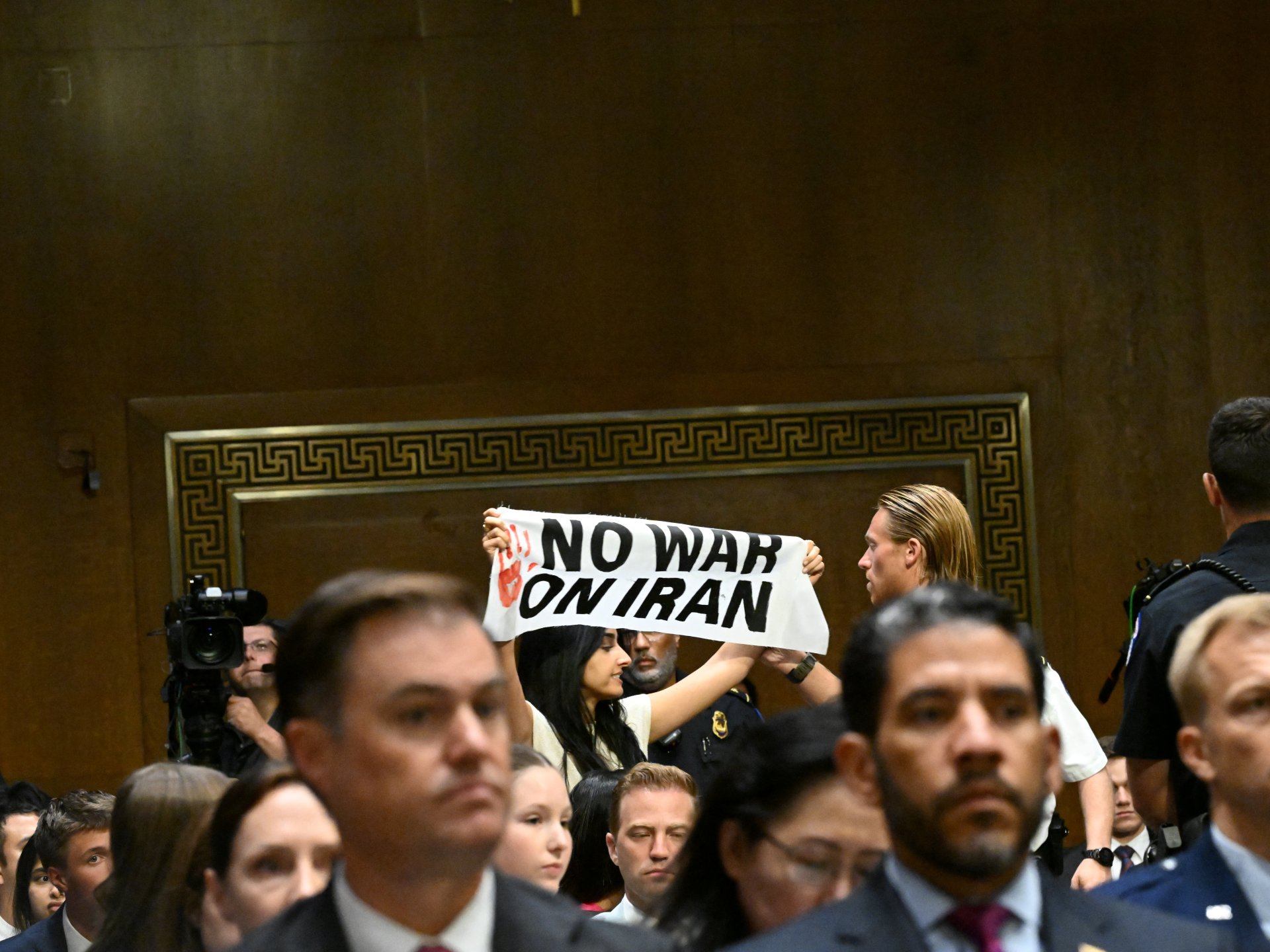
Meanwhile in Washington, US Defense Secretary Pete Hegseth told senators during a hearing that the war had cost the country’s military $37.5bn so far, urging them to approve an additional $67bn to replenish depleted missile supplies.
Related News
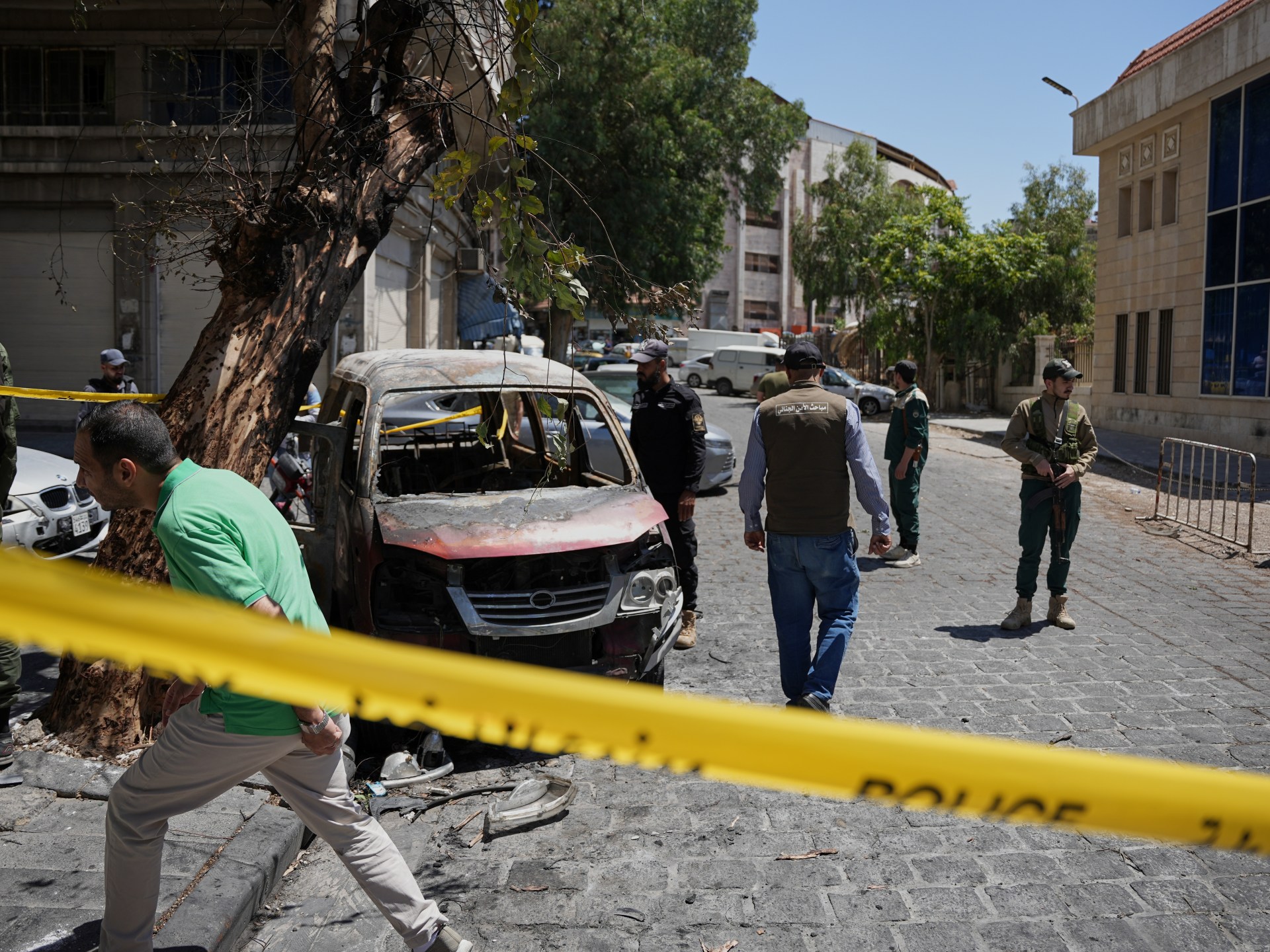
Syria says one killed, 36 wounded after Damascus blasts during Macron visit
‘Extremely disappointing’: US trade partners respond to Trump’s new tariffs
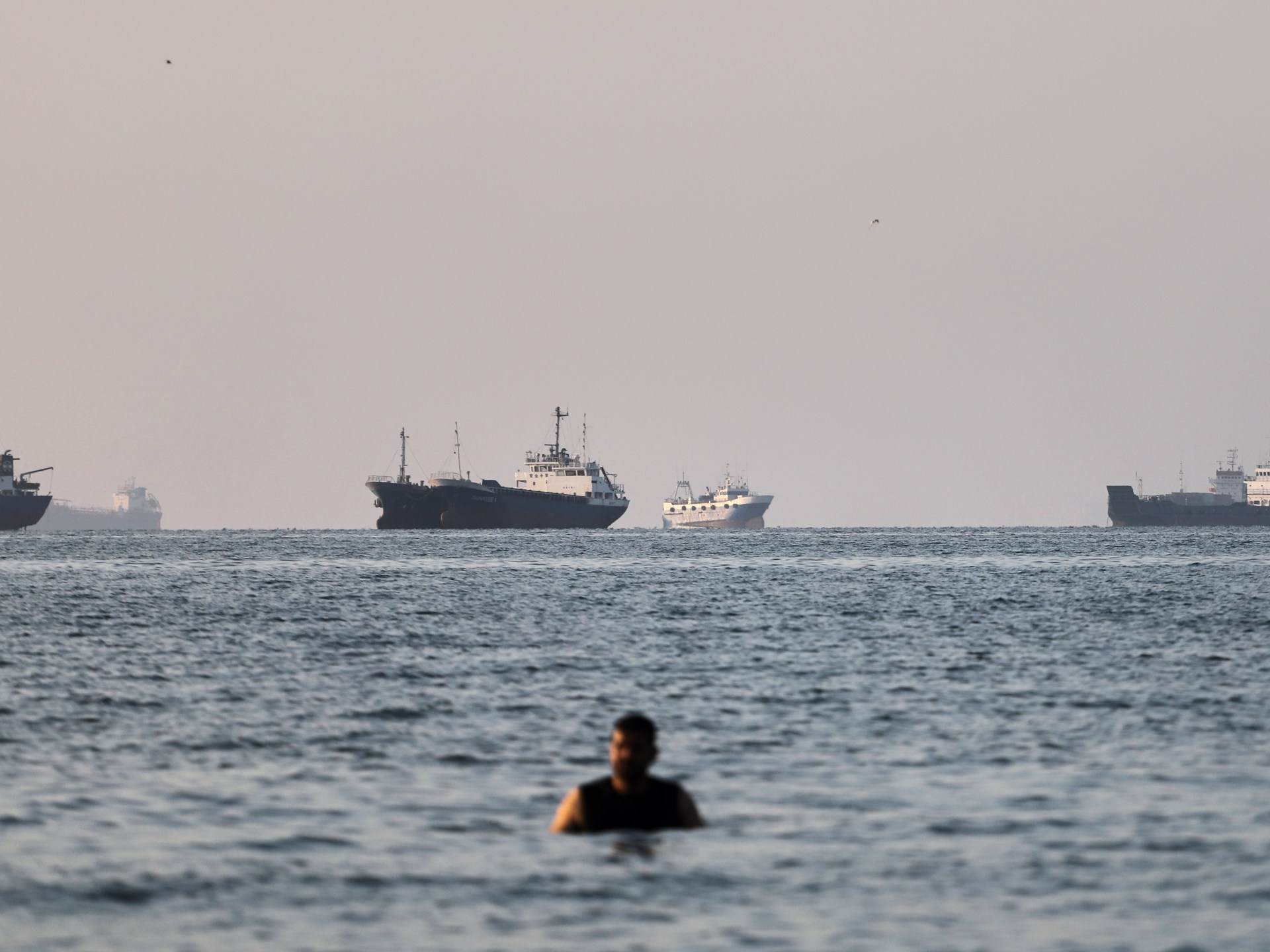
Tanker on fire off coast of Oman after being hit by projectile