
The United States-Israeli war on Iran could leave consumers and businesses worldwide facing weeks or months of higher fuel prices even if the conflict, which is now in its eighth day, ends quickly, as suppliers grapple with damaged facilities, disrupted logistics, and elevated risks to shipping.
The outlook poses a global economic threat and a political vulnerability for US President Donald Trump leading into the midterm elections, with voters sensitive to energy bills and unfavourable to foreign entanglements.
- list 1 of 4Iran war is latest threat to a global economy rattled by Trump
- list 2 of 4US job market stalls, unemployment rate rises before Fed decision
- list 3 of 4How will the Middle East conflict affect global energy prices?
- list 4 of 4Iran’s strikes on the Gulf: Burning the bridges of good neighbourliness
end of list
Global oil prices have surged by more than 25 percent since the start of the war, driving up fuel prices for consumers worldwide.
The national average petrol price reached $3.41 per gallon ($0.9 a litre) on Saturday, according to the American Automobile Association (AAA), rising by $0.43 over the past week. Goldman Sachs warned oil prices could climb above $100 per barrel if shipping disruptions continue.
The US crude oil settled at just below $91 per barrel on Friday – its largest weekly gain on record in data dating back to 1983, indicating prices could continue to rise.
“The market is shifting from pricing pure geopolitical risk to grappling with tangible operational disruption, as refinery shutdowns and export constraints begin to impair crude processing and regional supply flows,” JP Morgan analysts said earlier this week, according to the Reuters news agency.
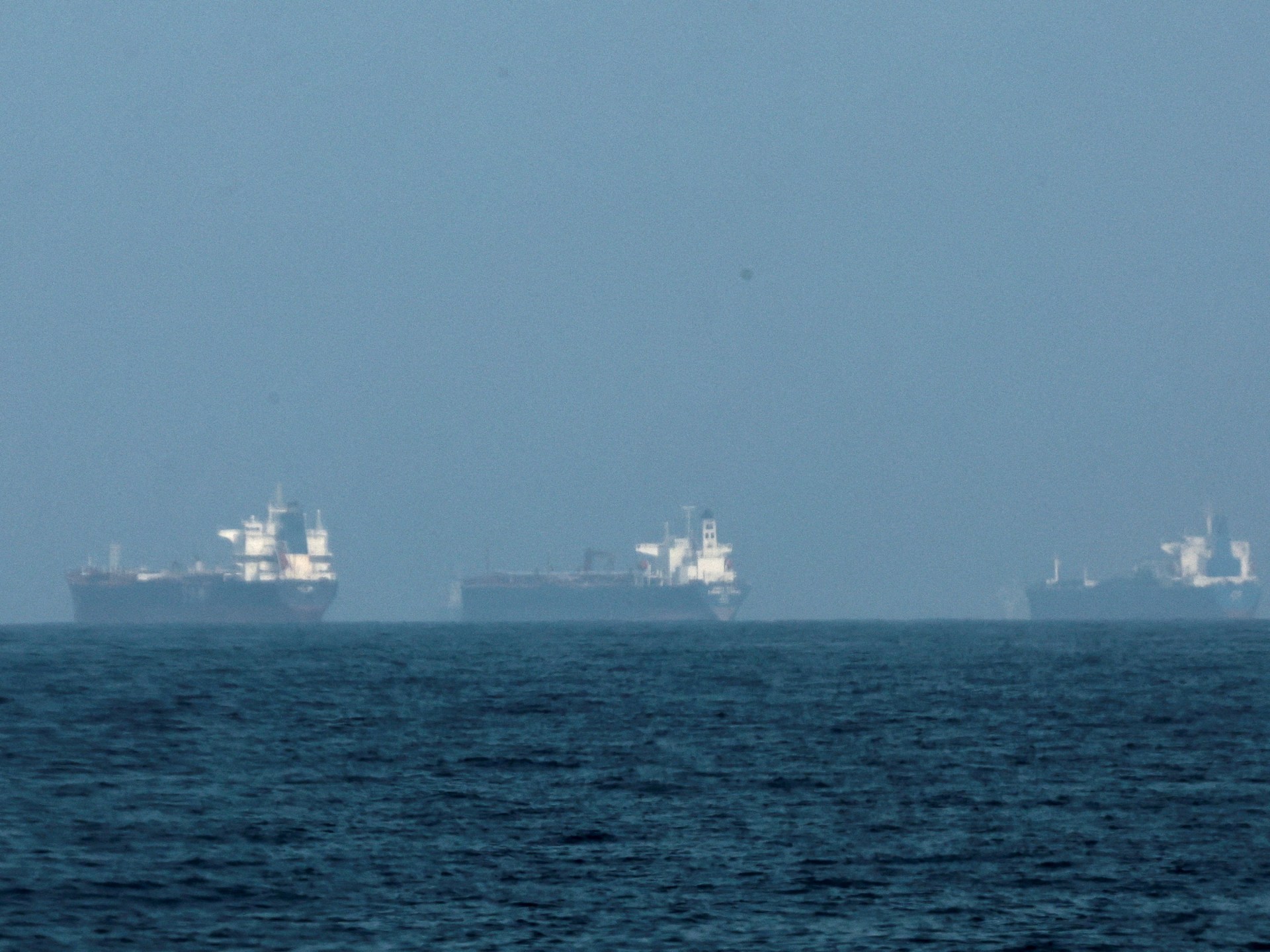
The conflict has already led to the suspension of about a fifth of global crude and natural gas supply, as Tehran targets ships in the vital Strait of Hormuz between its shores and Oman, and attacks energy infrastructure across the region.
Advertisement
A nearly complete shutdown of the strait means the region’s top oil producers – Saudi Arabia, the United Arab Emirates, Iraq and Kuwait – have had to suspend shipments of as much as 140 million barrels of oil – equal to about 1.4 days of global demand – to global refiners.
More than 80 percent of global trade moves by sea, according to the World Bank, meaning disruptions in the waterway could increase freight costs and delay deliveries of goods.
As a result, oil and gas storage at facilities in the Gulf is rapidly filling, forcing oilfields in Iraq and Kuwait to cut oil production, with the UAE likely to cut next, analysts, traders and sources told Reuters.
“At some point soon, everyone will also shut in if vessels do not come,” a source with a state oil company in the region, who asked not to be named, told Reuters.

Oilfields forced to shut in across the Middle East as a result of the shipping disruptions could take a while to return to normal, said Amir Zaman, head of the Americas commercial team at Rystad Energy.
“The conflict could be ended, but it could take days or weeks or months, depending on the types of fields, age of the field, the type of shut-in that they’ve had to do before you can get production back up to what it once was,” he said.
Iranian forces, meanwhile, are targeting regional energy infrastructure, including refineries and terminals, forcing them to shut down too, with some of those operations badly damaged by attacks and in need of repairs.
Qatar declared force majeure on its huge volumes of gas exports on Wednesday after Iranian drone attacks, and it may take at least a month to return to normal production levels, sources told Reuters. Qatar supplies 20 percent of global liquefied natural gas (LNG).
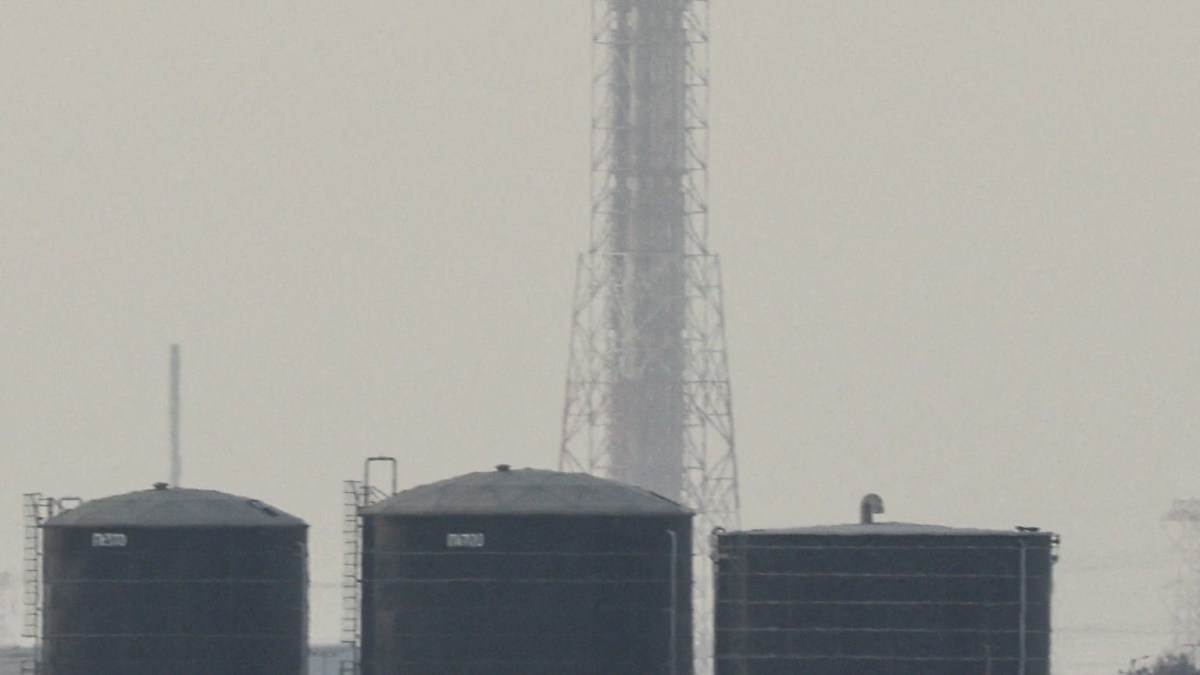
Saudi Aramco’s mammoth Ras Tanura refinery and crude export terminal, meanwhile, has also closed due to attacks, with no details on damage.
Economists warn that the situation could create a combination of higher prices and slower growth.
Related News
US senators demand probe into ‘appalling’ attack on girls’s school in Iran
India, Europe feel fuel crunch as Gulf gas supplies disrupted amid war
Iran live: Israel bombs Tehran oil depots; attacks on Gulf states continue