
Tehran, Iran – Iran’s authorities have promised retaliation in case of threatened attacks by the United States against critical energy infrastructure, while military strikes continue across the region.
“The United States is moving at an accelerating pace to fan the flames of a full-scale regional war,” Major General Ali Abdollahi, head of Iran’s wartime military command, said in a statement on Saturday.
Addressing regional neighbours, he said the US was using their capital, resources and infrastructure as a shield for its own interests while strengthening Israel’s war machine.
“It is hereby stated explicitly: Muslim countries must, with foresight, monitor America’s crimes and reconsider their cooperation and alignment with the US. Otherwise, any country that makes itself a defensive shield for criminal, aggressor America will burn in the fire of war,” said Abdollahi.
The warning comes in reaction to reports by major US media outlets that the US and Israel may be imminently launching an extensive wave of attacks against Iran’s civilian infrastructure, including power plants and petrochemical manufacturers.
President Donald Trump has yet to give final authorisation on an operation that could potentially last up to two weeks and aim to cut electricity across Iran’s capital, Tehran, and create disruptions across the country, the reports said, citing unnamed sources.
The Washington-based Center for Strategic and International Studies said earlier this week that US air defences have performed largely well, but persistent combat operations have reduced the inventory of missile interceptors in the US military’s arsenal, with Patriot inventories now under 1,000 and THAAD at about 250.
The Iranian state-linked Tasnim news website on Saturday cited an unnamed source as saying armed forces have prepared an extensive plan of retaliation to the “potential madness” of the US by hitting “vital infrastructure” linked with the US and Israel.
Advertisement
On Tuesday, Israel’s Defence Minister Israel Katz said “we very much want to strike Iran’s energy targets.
“The United States is not approving it at present, because of concern that Iran would strike neighbouring countries and there would be a global oil crisis,” he told a security conference broadcast by Channel 14, adding that Israel was ready to “set Iran back 40 years”.
Since the start of the war on February 28, the US and Israel have hit military bases and leaders across Iran, but also targeted the country’s civilian infrastructure, parts of which will require years and extensive investments to rebuild. The bombing has only exacerbated Iran’s internal woes, including a contracting economy and a major energy imbalance that are squeezing more than 90 million Iranians.
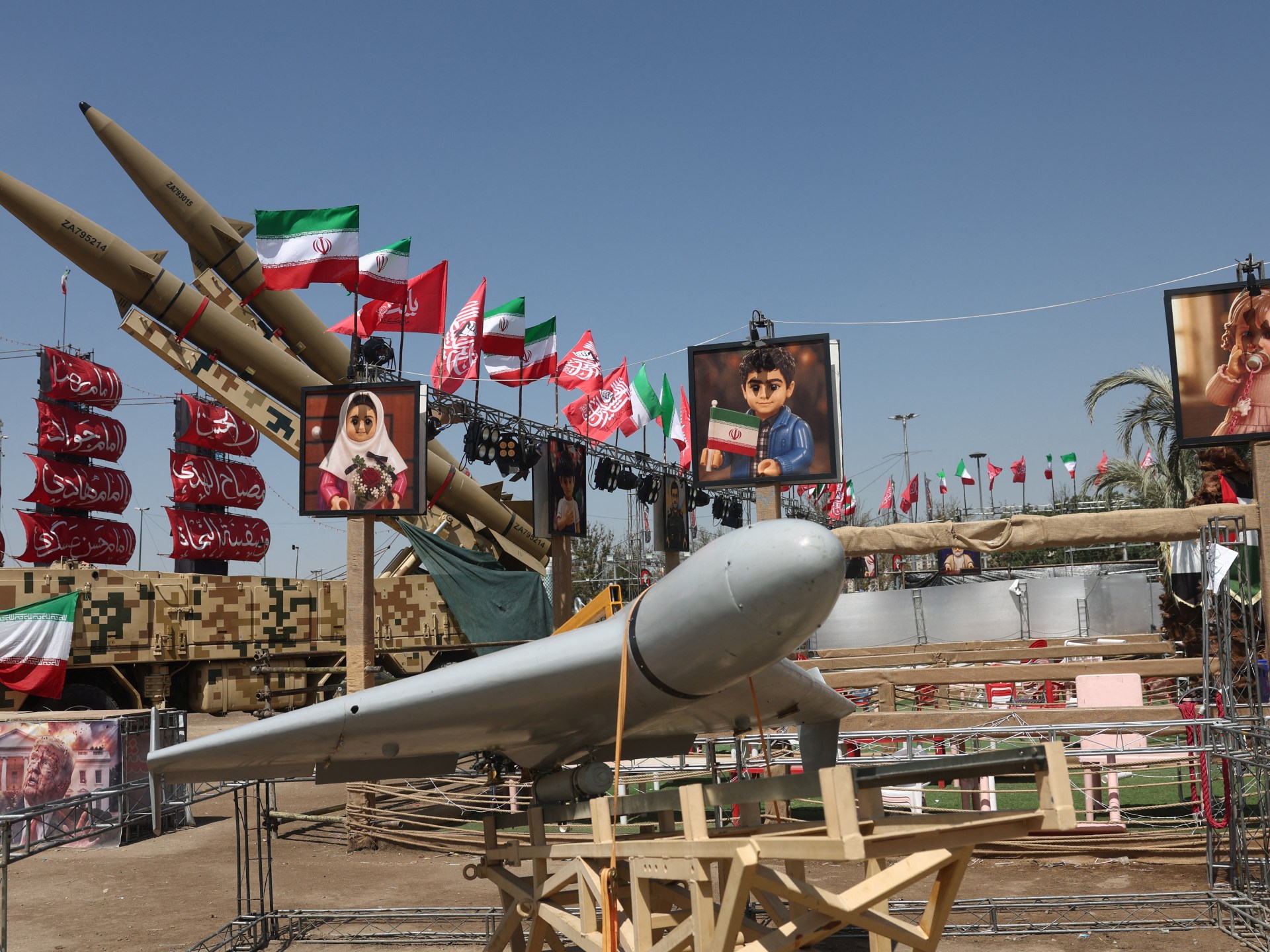
In response, the Islamic Revolutionary Guard Corps (IRGC) and Iran’s regular army have launched ballistic missiles and drones at US and Israeli military bases across the region, but have also responded to energy attacks by striking energy infrastructure in Israel, Saudi Arabia, United Arab Emirates, Qatar, Kuwait, Bahrain and Oman.
Attacks across the region
Amid the threats of escalation, strikes have intensified across the region in recent days.
The US military attacked at least five Iranian provinces overnight into Thursday, saying the targets were IRGC command centres, missile and drone facilities, coastal surveillance and air-defence sites, and maritime capabilities. Several soldiers and multiple civilians were among the casualties, including a two-year-old boy who was killed when his home was hit in the southern island of Qeshm.
On Saturday, Kuwait’s army said its air defences destroyed multiple Iranian drones within the country’s airspace, with some damage reported to government facilities and civilian vehicles.
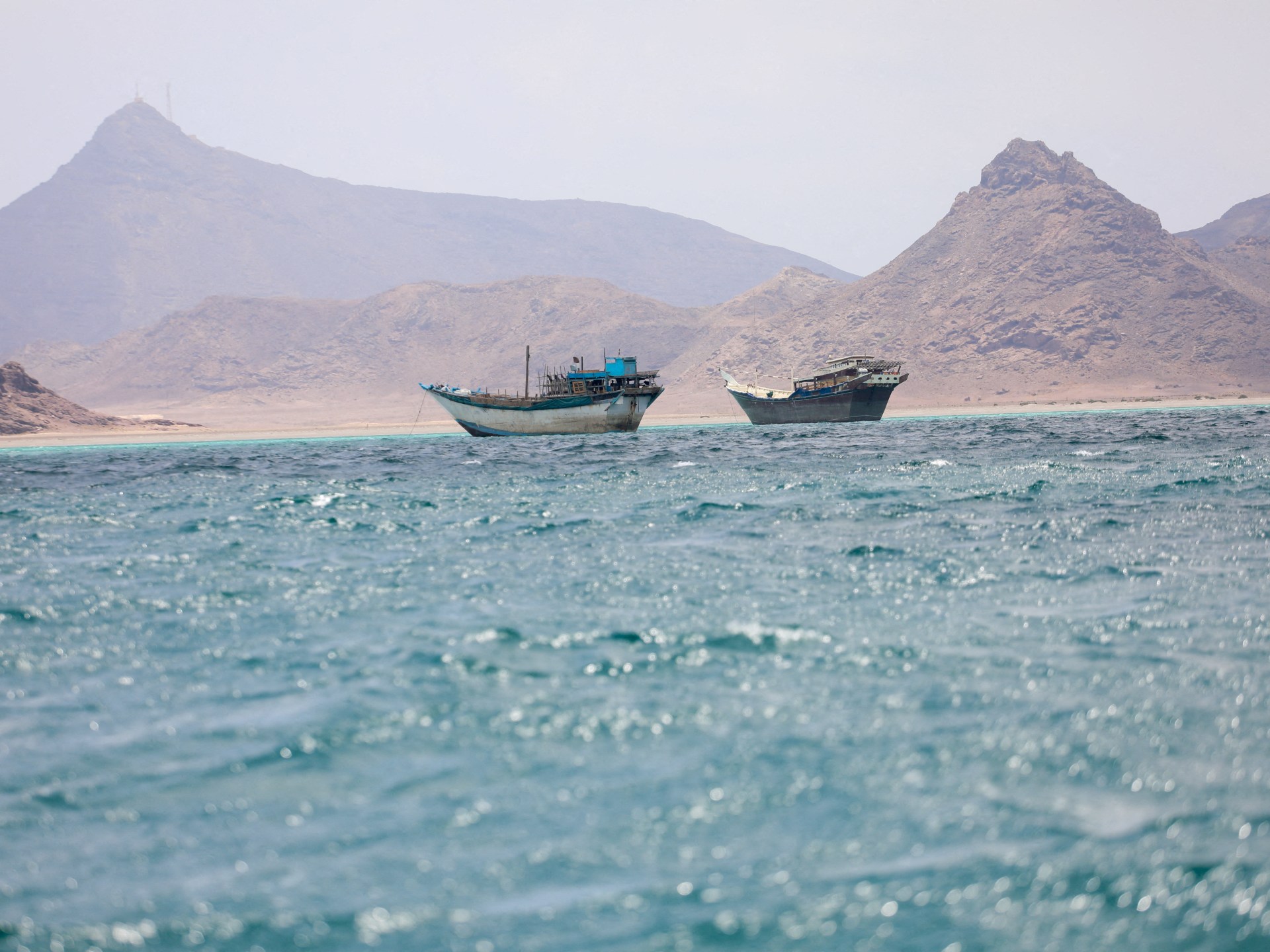
At least two vessels were hit off the coast of Oman, with one suffering damage to its engine room, according to Western maritime authorities.
Iranian state media on Saturday broadcast footage from proximity to the missile-struck ship, warning others that this was “the smoke of mistakenly trusting the US” promises of safe passage through the southern corridor of the Strait of Hormuz. Iran also said four other ships were turned back, as the waterway remains closed to traffic not approved by the IRGC.
In Iraq, sporadic drone attacks have targeted Iranian Kurdish opposition groups, which have raised the idea of entering the conflict to topple the Islamic Republic in Iran. Two Kurdish armed groups separately claimed they were targeted on Friday. Pro-Iran media in Iraq on Saturday released footage purporting to show a refinery in Iraqi Kurdistan’s Erbil on fire after being targeted by an unnamed actor.
Advertisement
The latest attacks in Iraq come days after the US and Saudi Arabia jointly attacked bases belonging to Iraqi armed forces who are aligned with Tehran, killing at least 20 fighters and multiple IRGC advisers.
Those attacks came in response to attacks on Saudi energy facilities and disruptions created in the Bab al-Mandeb and the Red Sea by the Iran-aligned Houthis in Yemen. Riyadh is attempting to form an international coalition to counter disruptions in the Red Sea, which links with the Suez Canal.
In southern Lebanon, the Israeli army continues to occupy large areas of land, destroying villages and infrastructure, while also detonating structures purportedly belonging to Iran-backed Hezbollah.
Door to diplomacy not closed
Iran has emphasised that it does not intend to let go of the Strait of Hormuz as strategic leverage in dealing with the US offensive.
Mohammad Bagher Zolghadr, secretary of the Supreme National Security Council, said in a brief message on Saturday that continued military strikes and a naval blockade by the US only deteriorate the situation in the Strait of Hormuz and other waterways.
“The global economy, and US energy market and voters will pay the price,” he said.
Iran’s Ministry of Foreign Affairs says it has not sent any requests for negotiations to Washington amid the latest attacks, but messages have been relayed through mediators, and discussions are ongoing over how to handle an eventual reopening of the strait.
Speaking on Saturday, Iran’s chief negotiator and parliament speaker Mohammad Bagher Ghalibaf again appeared to signal a need to reach a negotiated resolution that would formalise perceived gains from military action.
“We have been victorious. But the victories of this war must be solidified, we must be able to register this victory,” he said during a meeting with hardline lawmakers, adding that the country needs to have hope for a clear future.
Ghalibaf said authorities must aim to give the office of the supreme leader in Iran greater latitude in making decisions about the future, but did not elaborate.
In Tehran on Saturday, the first day of the week in Iran, the public message being broadcast by the authorities was still one of vengeance for Supreme Leader Ayatollah Ali Khamenei, who was killed on the first day of the US-Israel war on Iran, along with dozens of other officials.
A huge banner in central Tehran’s Valiasr Square depicted a boy with a red headband carrying a flag of blood revenge.
“Trump, his advisers and allies are frustrated by Iran’s steadfastness,” read the headline from Keyhan, a hardline daily newspaper.
Related News
Iran, Houthis strike tankers as US bombing continues: What’s the latest?
Netanyahu vows to go to New York City despite ICC arrest warrant, Mamdani
Senegal’s Faye launches a new party, formalising his split with Sonko