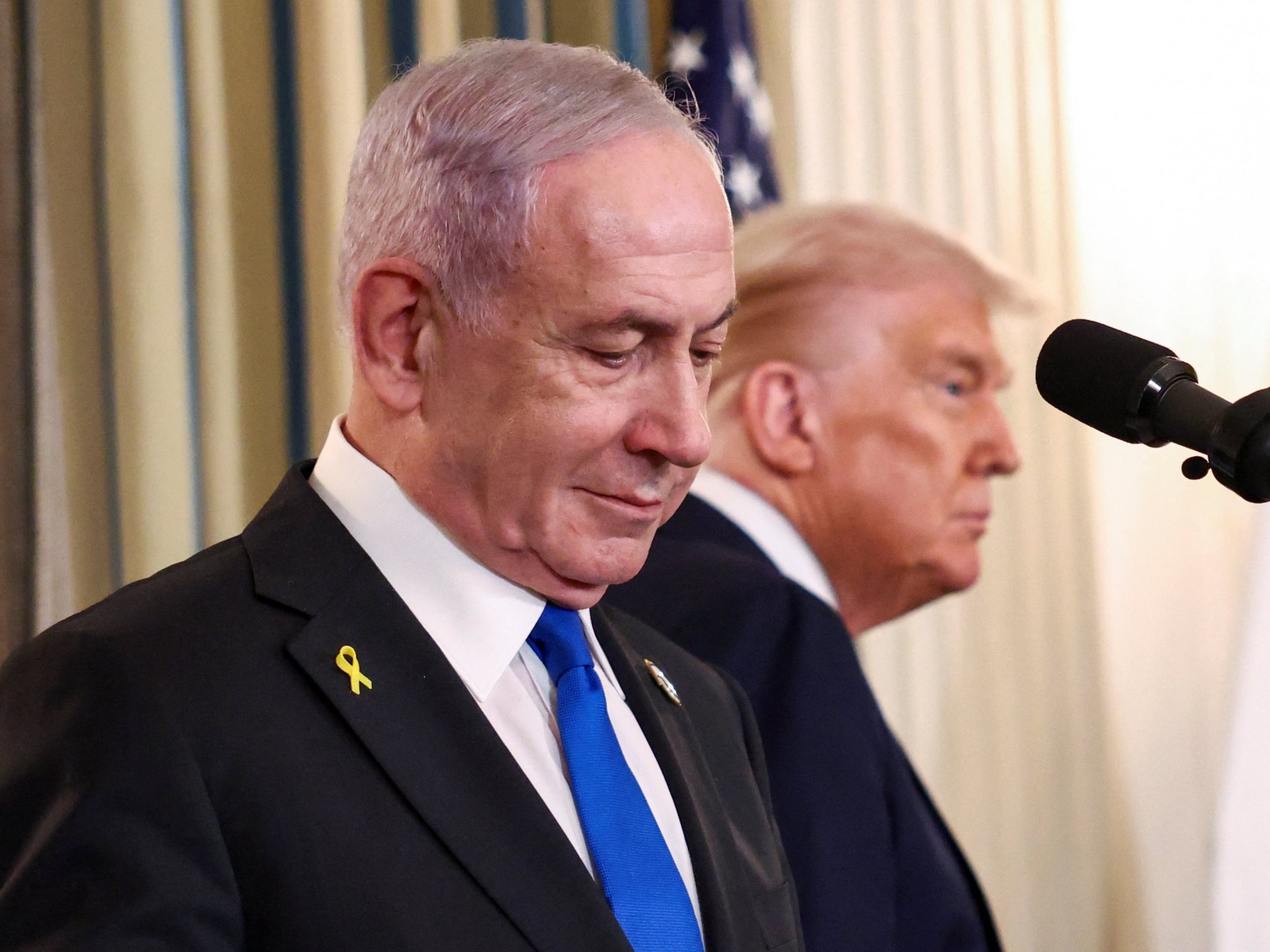

Israeli Prime Minister Benjamin Netanyahu has outlined the conditions he considers necessary for any prospective deal between the United States and Iran, including the dismantling of all of Tehran’s nuclear infrastructure.
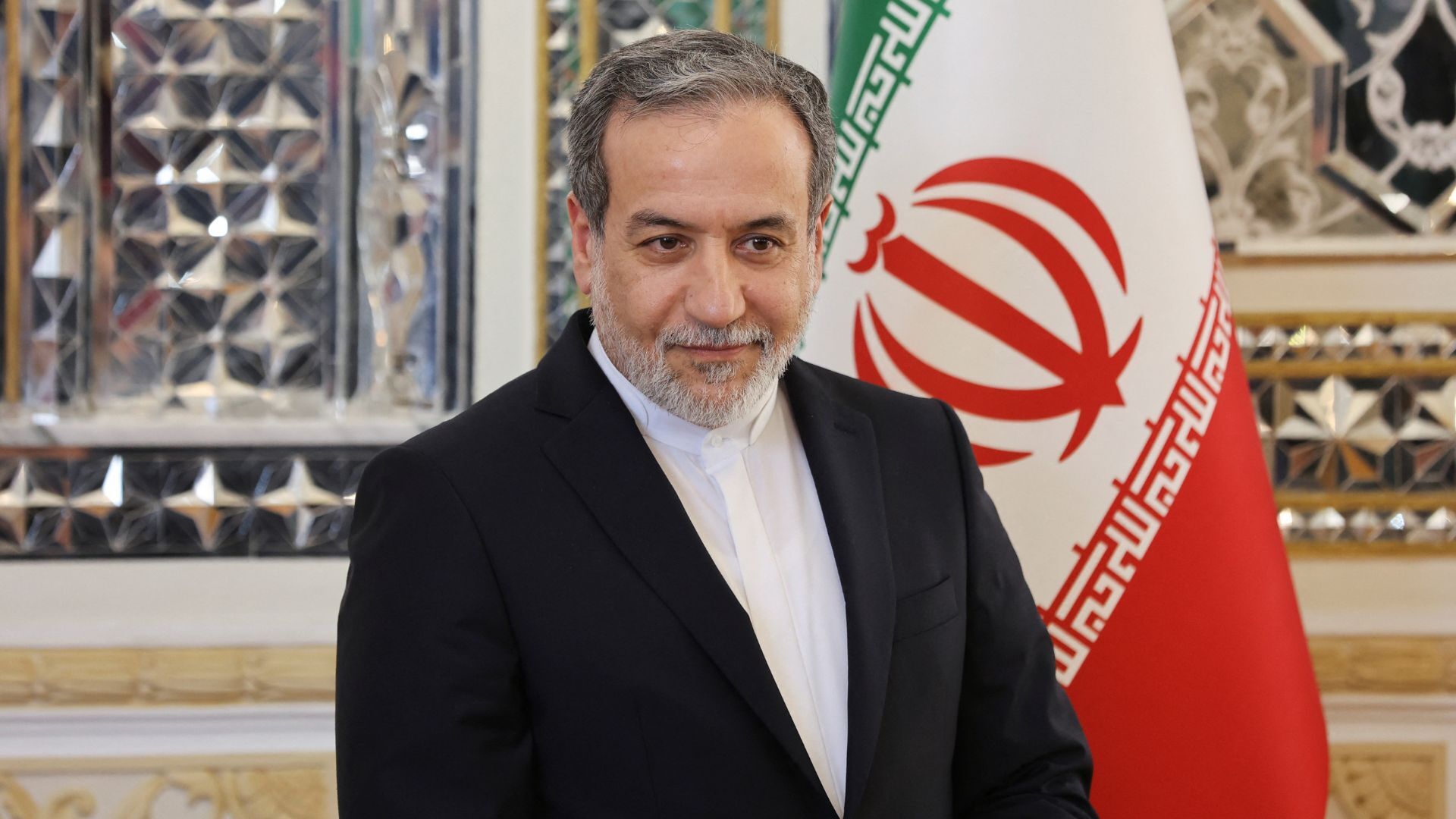
His comments on Sunday came as Iranian Minister of Foreign Affairs Abbas Araghchi headed to Switzerland for a second round of nuclear talks with the US.
- list 1 of 3Russia-Ukraine war: List of key events, day 1,453
- list 2 of 3Israel kills 11 in Gaza as Trump announces $5bn pledge from Board of Peace
- list 3 of 3Israel bombs Lebanon-Syria border, kills four people
end of list
Speaking at the annual Conference of Presidents of Major American Jewish Organizations, Netanyahu said he was sceptical of a deal, but had told US President Donald Trump last week that any agreement must include several elements.
“The first is that all enriched material has to leave Iran,” he said.
“The second is that there should be no enrichment capability – not stopping the enrichment process, but dismantling the equipment and the infrastructure that allows you to enrich in the first place”.
The third, he said, was resolving the issue of ballistic missiles.
Netanyahu also called for sustained inspections of Tehran’s nuclear programme.
“There has to be real inspection, substantive inspections, no lead-time inspections, but effective inspections for all of the above,” he said.
Iran and the US resumed nuclear negotiations in Oman on February 6, months after previous talks collapsed when Israel launched an unprecedented bombing campaign against Iran last June, which started a 12-day war.
The US joined in the attacks, bombing three Iranian nuclear sites.
Netanyahu’s comments mark the first time he has spoken publicly on the discussions with Trump in Washington, DC, last Wednesday. The meeting was their seventh since Trump returned to office last year.
Advertisement
Trump told reporters afterwards that they had reached no “definitive” agreement on how to move forward with Iran, but that he had “insisted that negotiations with Iran continue to see whether or not a deal can be consummated”.
According to a report by Axios, the two leaders agreed to intensify economic strangleholds on Iran, mostly on its oil sales to China. More than 80 percent of Iranian oil exports current go to China.
The report, which cited US officials, said Netanyahu and Trump agreed in their meeting on the necessary end state: an Iran without the capability to obtain nuclear weapons. But they disagreed about how to get there.
Netanyahu told Trump it would be impossible to make a good deal, while Trump said he thought it was possible. “Let’s give it a shot”, Trump said, according to Axios.
Iran has long denied any intent to produce nuclear weapons, but has said it is prepared to discuss curbs on its atomic programme in exchange for the lifting of sanctions. It has ruled out linking the issue to missiles, however.
The CBS broadcaster, meanwhile, reported on Sunday that Trump had told Netanyahu during a meeting in Florida in December that he would support Israeli strikes on Iran’s ballistic missile programme if the US and Iran could not reach a deal.
The network cited two sources familiar with the matter.
There was no immediate comment from the US or Israel on the CBS report.
The renewed push for diplomacy comes after Trump threatened new attacks on Iran and sent a US aircraft carrier to the region, citing a deadly crackdown on antigovernment protesters in January.
Tensions in the region remain high, meanwhile.
On Friday, Trump said he was sending a second aircraft carrier to the Middle East, and openly discussed changing Iran’s government.
Asked if he wanted a government change in Iran, Trump responded that it “seems like that would be the best thing that could happen”.
Asked why a second aircraft carrier was headed to the Middle East, Trump said: “In case we don’t make a deal, we’ll need it … if we need it, we’ll have it ready.”
For its part, Iran has promised to retaliate to any attack, saying it will strike US bases in the Middle East.
The continued tensions have sparked fears of a wider regional war.
Related News
Iran’s Araghchi arrives in Geneva for second round of nuclear talks with US
Washington Post CEO resigns after sweeping layoffs
Democrats demand reforms to Homeland Security over immigration operations