


By Staff Writer, NewsAmericas Now
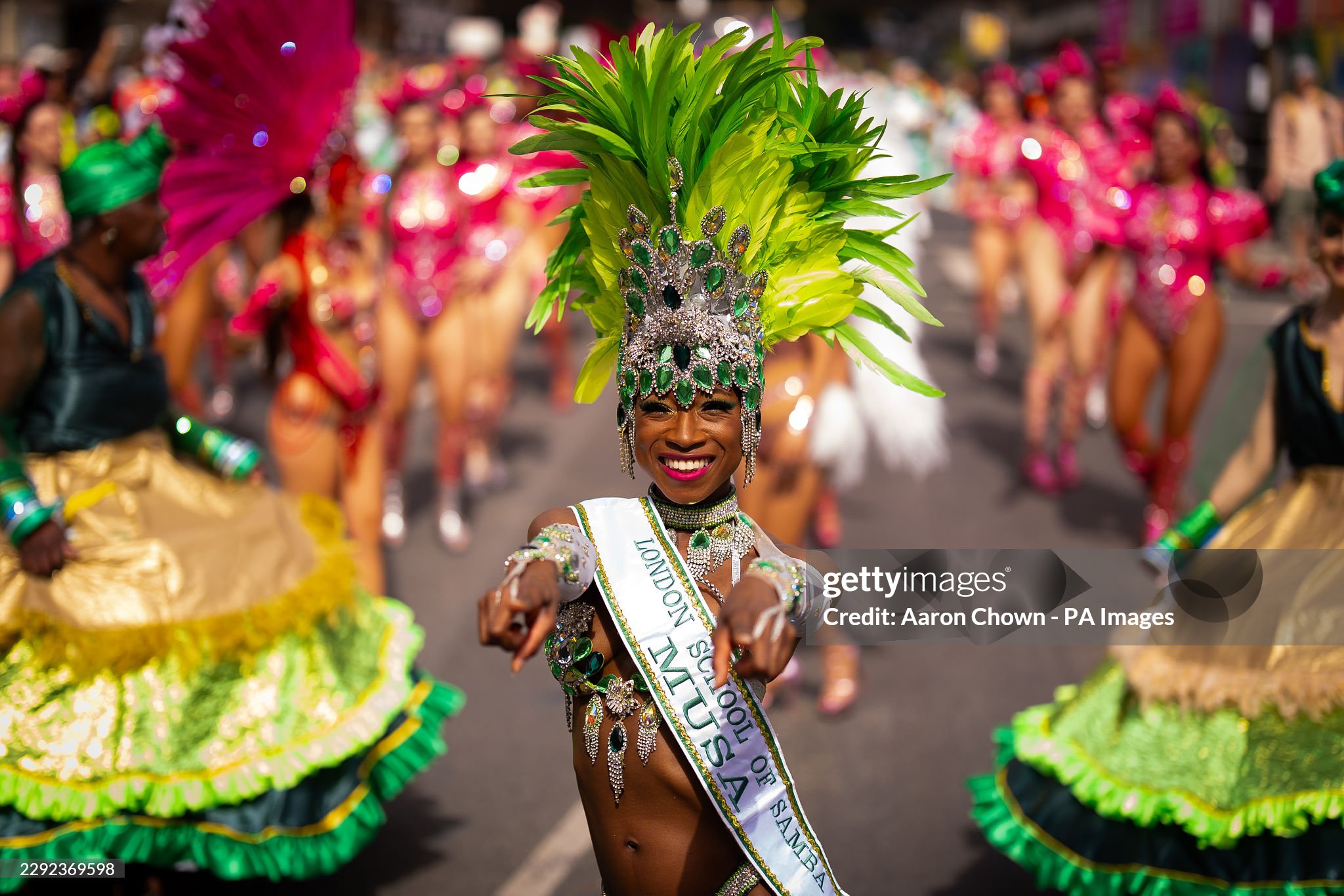
News Americas, LONDON, England, Mon. August 31, 2026: Notting Hill Carnival 2026 celebration – Europe’s biggest street party attracting millions of people to Kensington – concluded Monday with 560 total arrests over the two-day event and an ongoing investigation into the death of a man who entered a canal while fleeing police near the parade route at the 60th anniversary celebration, London’s Metropolitan Police said.
Police said 315 arrests were made Monday, adding to 243 recorded Sunday, and that the total may rise slightly as remaining cases are processed. Weapons seizures reached 62 across both days, including a handgun recovered Monday afternoon. Two knife-related assaults were reported over the two days – one stabbing and one slashing – neither resulting in life-threatening injuries.
Live facial recognition technology, deployed for the first time this year, led to 48 arrests on Monday and helped officers identify 43 registered sex offenders in attendance to confirm compliance with licence conditions; three were arrested Monday for breaching those conditions, in addition to three arrested Sunday.
Commander Claire Smart, the Gold Commander for the policing operation, said this marked the second consecutive year of a significant reduction in serious violence at the event. She credited both proactive policing and an expanded role for Notting Hill Carnival Ltd in managing event and crowd safety, which she said allowed police to focus resources on tackling crime.
A death during the policing operation

Police said that at approximately 3:19 p.m. Monday, officers attempted to stop a man believed to be in his 20s near Harrow Road as he approached the carnival. The man fled on foot, with officers in pursuit, before entering the water near Meanwhile Gardens.
Officers and members of the public entered the canal and pulled the man from the water, and officers began CPR immediately, police said. Paramedics continued treatment at the scene before transporting him to a central London hospital, where he was pronounced dead at 4:43 p.m.
Police said urgent efforts are underway to locate and inform his next of kin. As is standard practice, any death following contact with police has been referred to the Independent Office for Police Conduct for investigation.
“This is a tragic incident and our thoughts are with the loved ones of the man who has lost his life,” Smart said, adding that she wanted to acknowledge the officers and members of the public who entered the canal in an attempt to save him. She urged the public to avoid speculation while the investigation is ongoing.
City Hall provided an additional £4.6 million ahead of this year’s carnival to double the number of stewards and expand CCTV coverage along the parade route, contributing to what police described as improved crowd management across the weekend.
ABOUT THE CARNIVAL
Before Notting Hill Carnival became Europe’s largest street festival, its roots trace back to a murder.
Kelso Cochrane, a 32-year-old Antiguan-born carpenter and aspiring lawyer, was killed in a racially motivated attack on Southam Street, off Golborne Road, on May 17, 1959, at a time of high racial tension in the neighborhood. A blue plaque today marks the spot. His murder remains unsolved.
More than 1,200 people attended Cochrane’s funeral, many showing solidarity against racism in the area. When activists felt the police investigation was complacent, allegations of a cover-up spread and pressure mounted on Whitehall. Then-Home Secretary Rab Butler appealed for witnesses in Parliament and later launched a public inquiry into race relations.
Efforts to ease racial tension in Notting Hill had already been underway before Cochrane’s death, work that would eventually give rise to Carnival itself. Trinidadian activist Claudia Jones organized a BBC-broadcast indoor “Caribbean Carnival” at St. Pancras Town Hall in 1959, an event widely credited with planting Carnival’s seeds in Britain. Trinidadian booking agents Edric and Pearl Connor, along with the West Indian Gazette that Jones founded, helped fuel a wave of indoor Caribbean events across London through the 1960s.
Community activist Rhaune Laslett, a Londoner of Native American and Russian descent, organized a children’s street fair in the area, later reflecting: “We felt that although West Indians, Africans, Irish and many other nationalities all live in a very congested area, there is very little communication between us. If we can infect them with a desire to participate, then this can only have good results.”
Laslett invited steelpan player Russell Henderson and his band, including Sterling Betancourt, Vernon “Fellows” Williams, Fitzroy Coleman and Ralph Cherry, already popular from London’s indoor carnival circuit. In 1966, Henderson’s steelband wound through Portobello Road as locals spontaneously danced along behind them, and Notting Hill Carnival was born.
RELATED: Notting Hill Carnival At 60 Sees 169 Arrests On Day 1
Related News
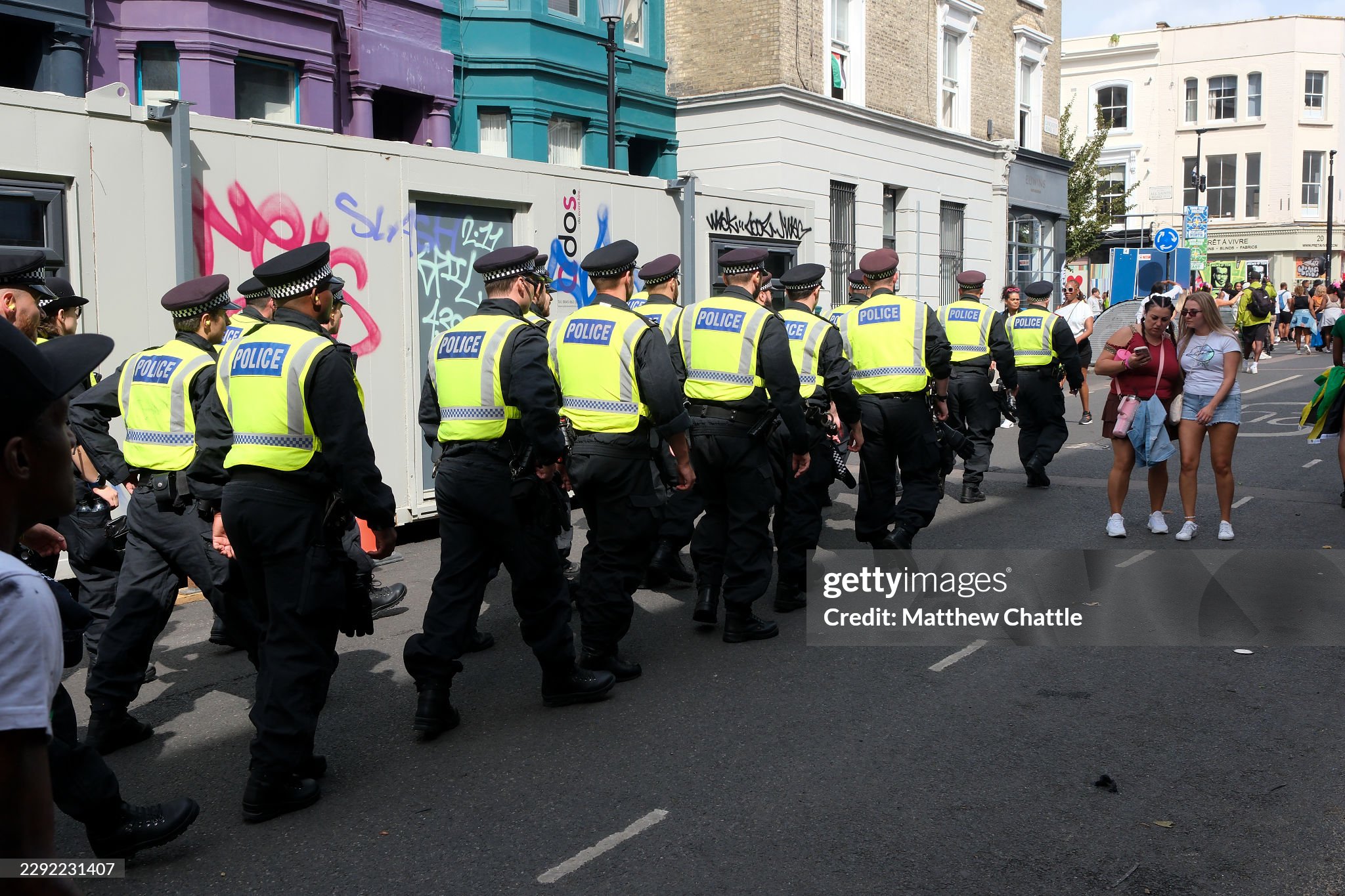
Notting Hill Carnival At 60 Sees 169 Arrests On Day 1
Ras Ajai’s Final Song “Love Is Kind” Drops September 4, Weeks After His Murder In Ja...
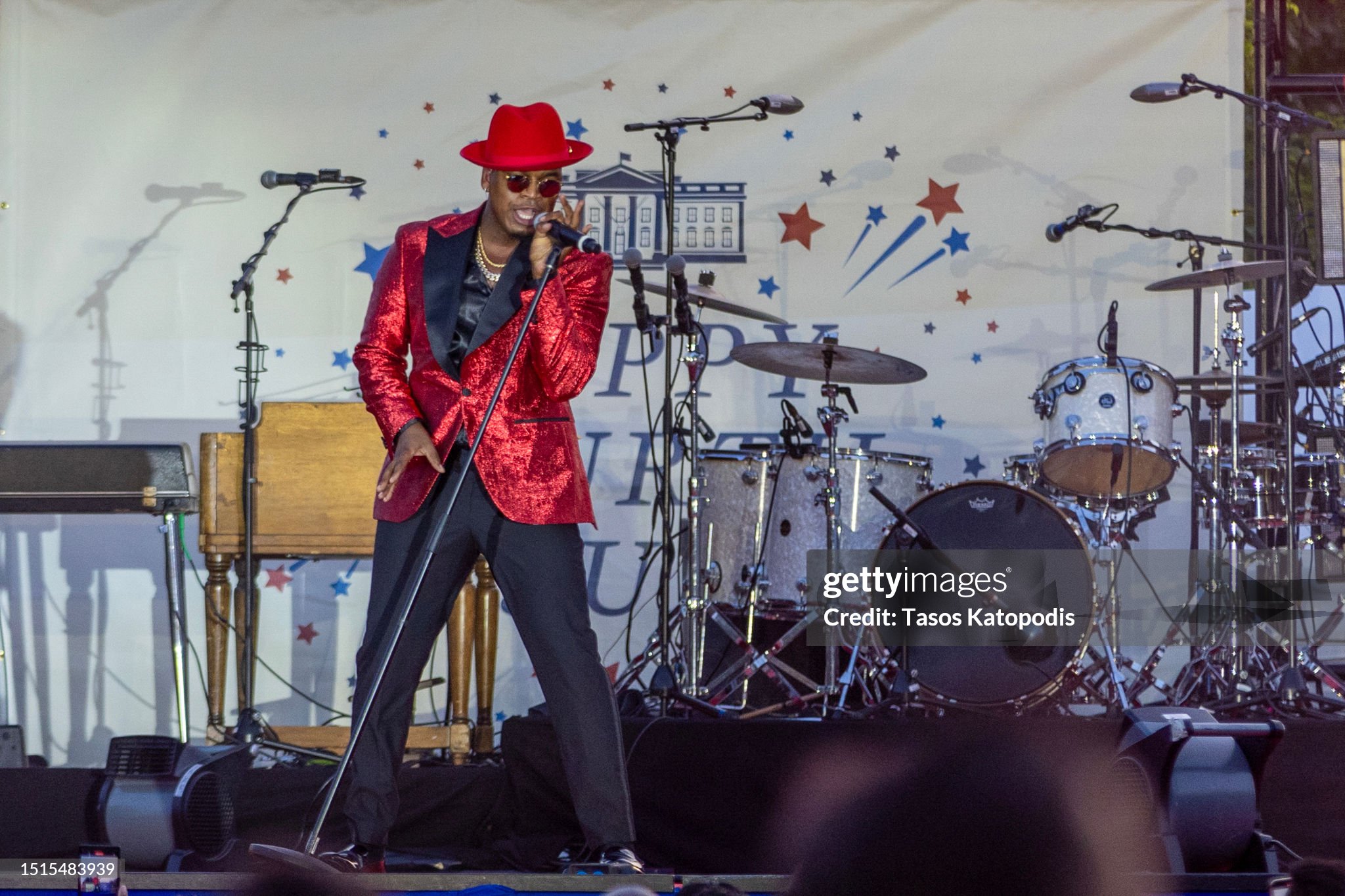
Grammy Winning Star Ne-Yo Is Coming To Dominica